You already know the wall. Above the sofa, up the stairs, the gap in the hallway that’s been bare too long. And you know the face that belongs there — the dog who leans on you, the cat who owns the windowsill.
What stops most people isn’t the wanting. It’s two quieter worries: what size do I actually order? — it’s hard to picture 40×50cm on a real wall — and, more quietly, will it look tacky? You’ve seen the over-bright, cartoonish pet stuff online, and that’s not what you want. What you want is something that looks like your pet, painted with a bit of care.
Let’s take both worries one at a time, so by the end you can decide rather than close the tab and “think about it.”
What size should a custom pet portrait canvas be?
ReArt prints five sizes. Here’s how to match them to a real wall, not just scroll a dropdown.
- Small — 8×10in (20×25cm). A shelf, a desk, a cluster of frames. Seen close, from a metre or so. Lovely as one of several, less so alone on a big wall.
- Medium — 11×14in (27×35cm). A hallway or a narrow bit of wall you pass daily. Reads well from a step or two back.
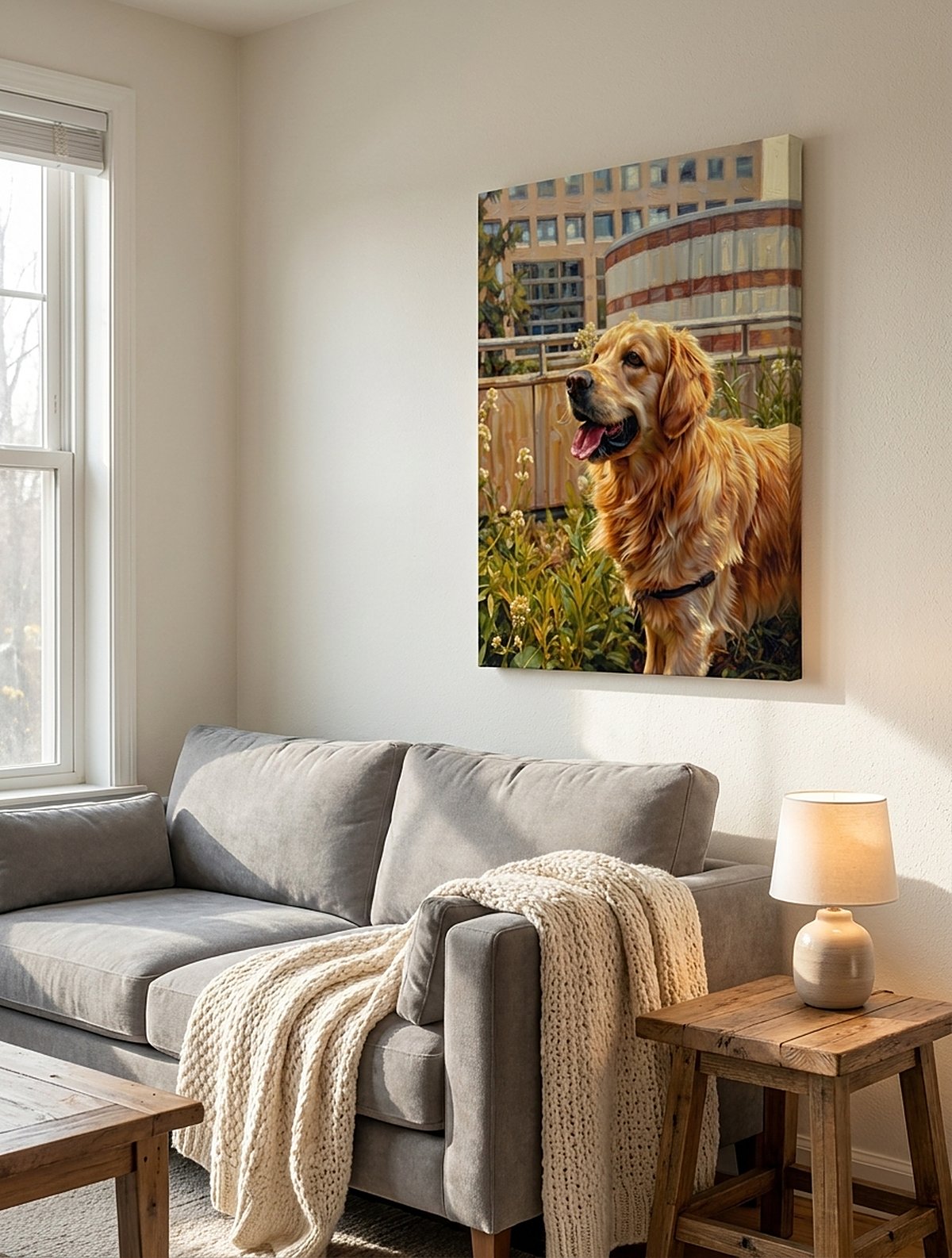
- Large — 16×20in (40×50cm). The reliable middle, and the most popular for a single pet — over a console table or in a bedroom. Holds its own without dominating.
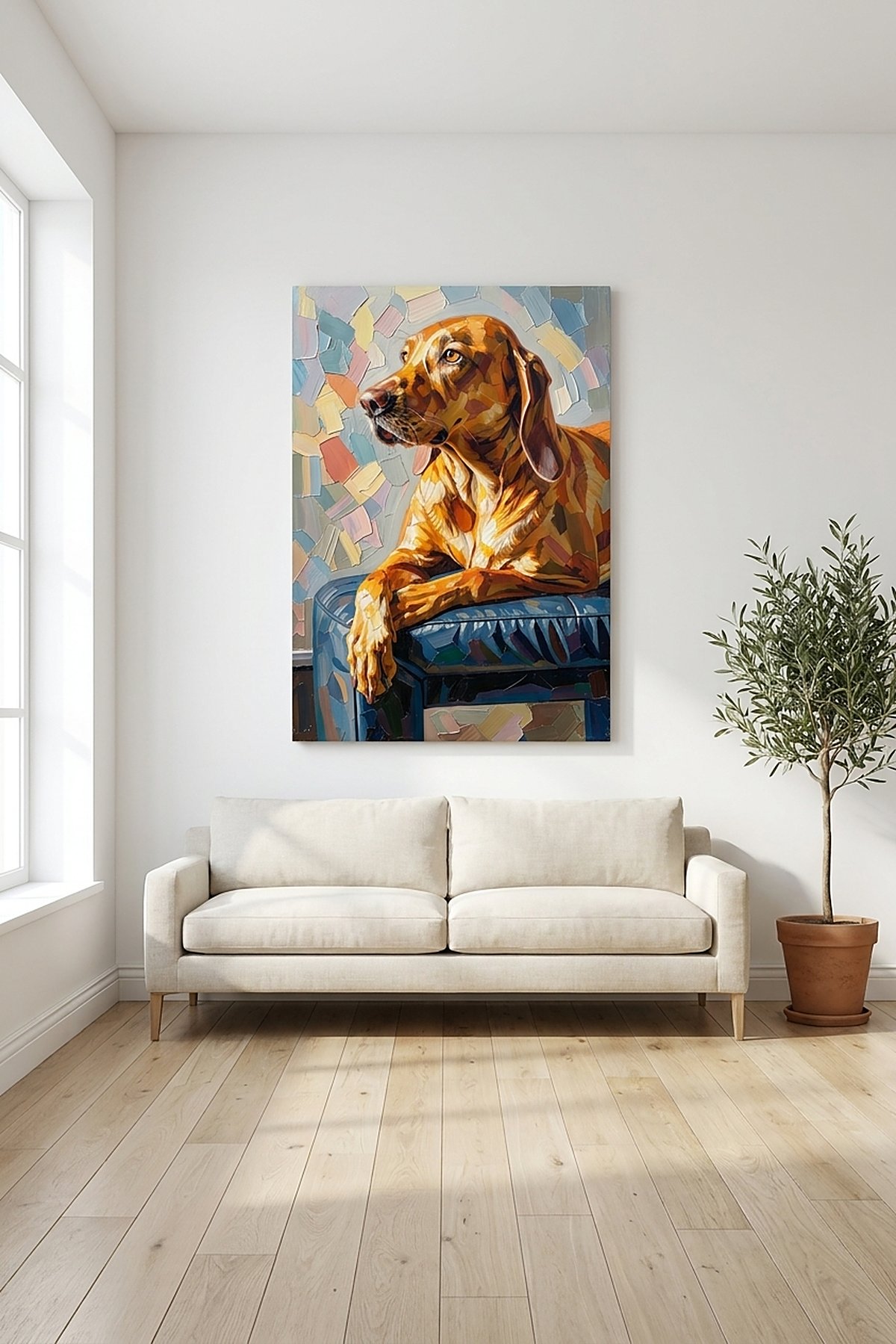
- XL — 20×24in (50×60cm). Now it holds a room. Good over a sofa or bed when you sit a few metres away.
- Statement — 24×36in (60×90cm). Our largest, for the wall that’s meant to be the wall. Give it space and step back to take it in.
Two quick rules make the choice easy:
For a single pet, portrait orientation (taller than wide) usually flatters a sitting or standing pose. For the whole household — two dogs, or a dog and a cat side by side — landscape gives them room to sit together, and stepping up to Large or bigger keeps each face from shrinking.
Which style suits your pet?
Style isn’t a gimmick here. It’s a mood, and the same photo can carry very different ones.
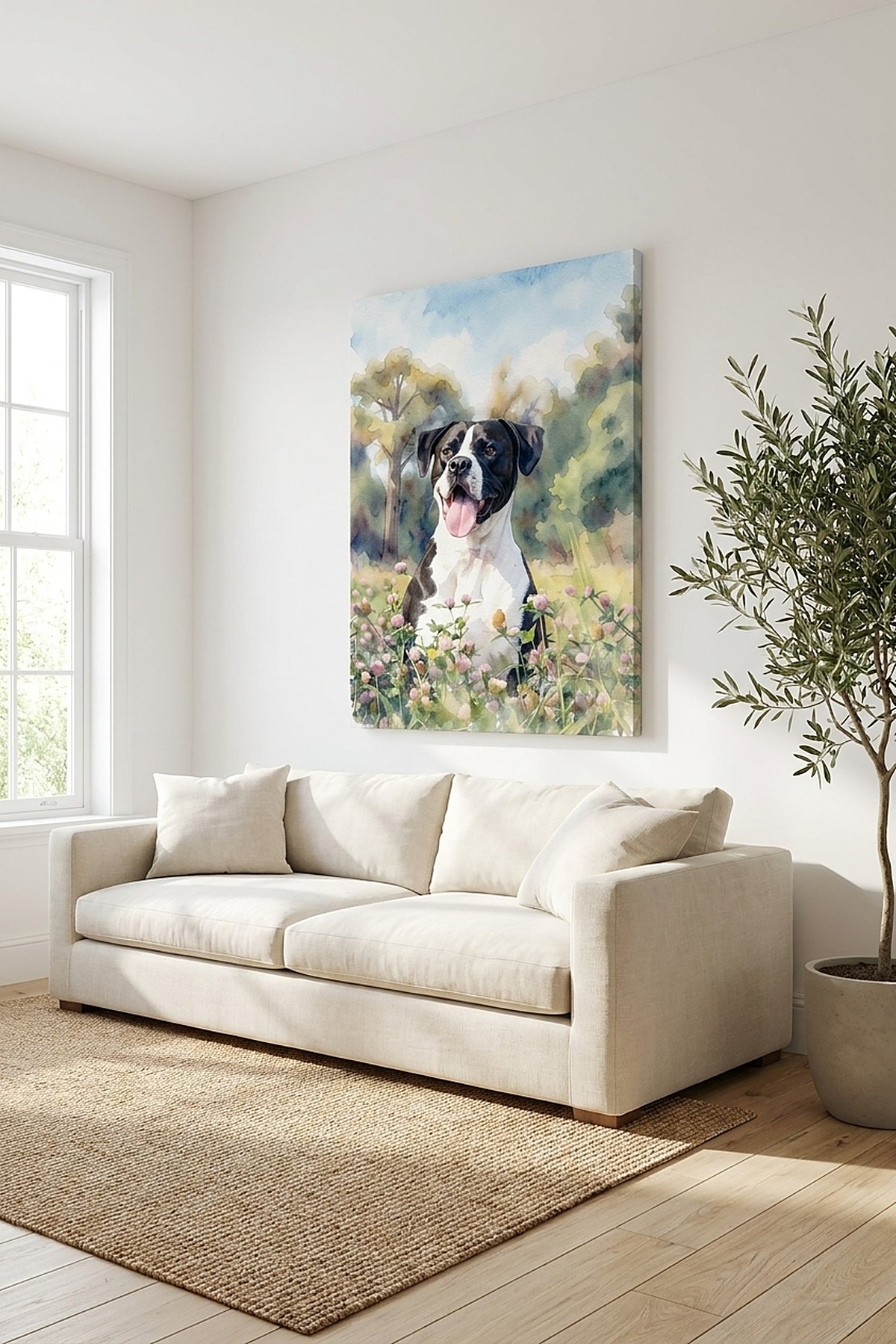
Watercolour keeps things soft, light and airy — gentle edges, a little white space, nothing shouty. It suits a bright room and a gentler subject — a sleepy cat, a greying muzzle.
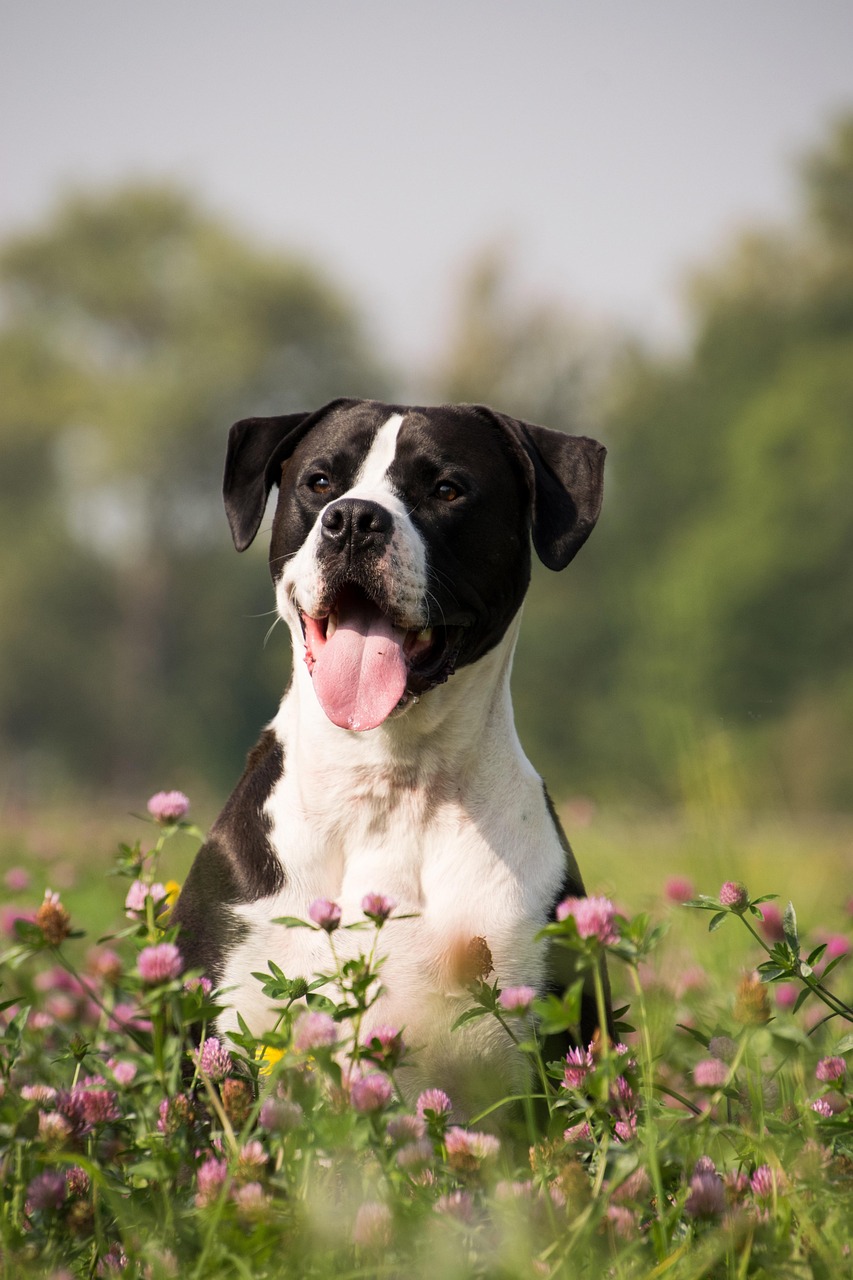
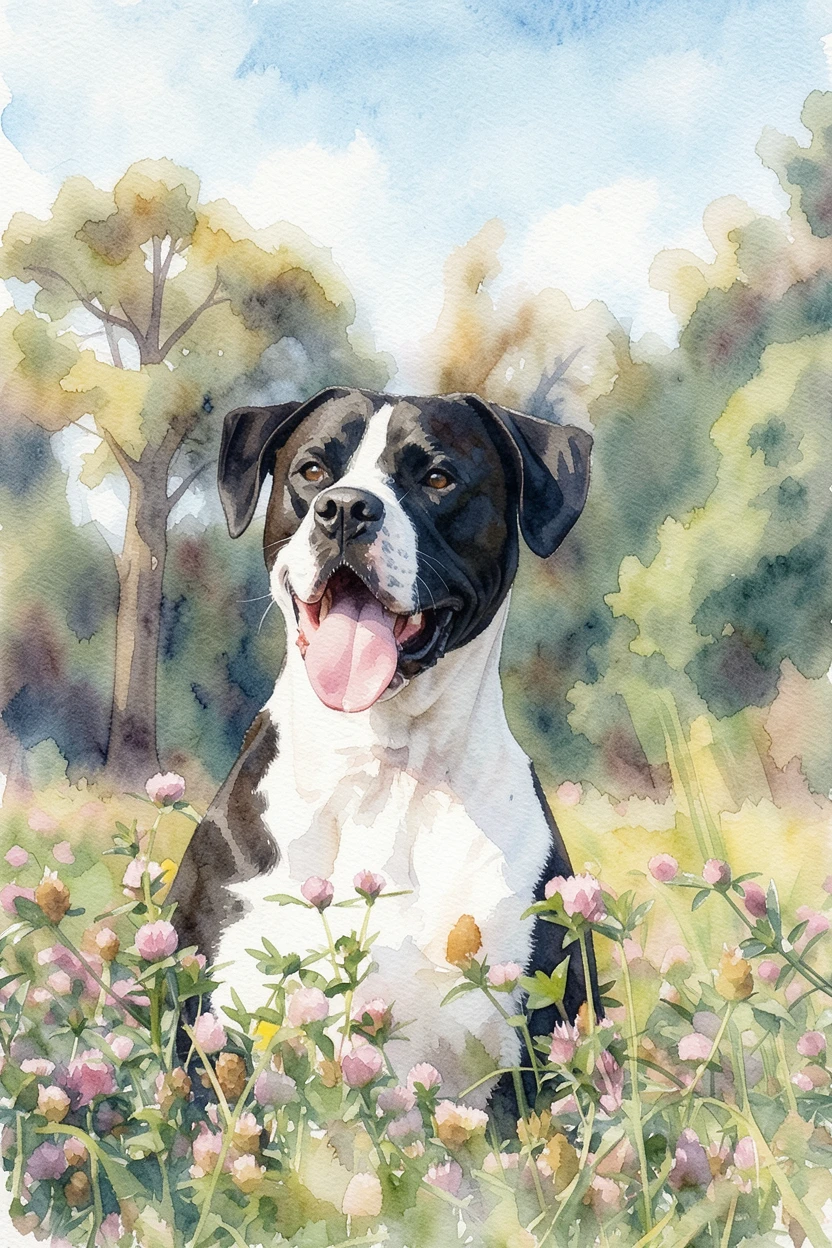 Photo Watercolour
 Source photo by RebeccasPictures via Pixabay. Painting generated with ReArt.
That’s a boxer in watercolour: relaxed, luminous, easy on a sunlit wall. Now the same dog, same photo, in oil:
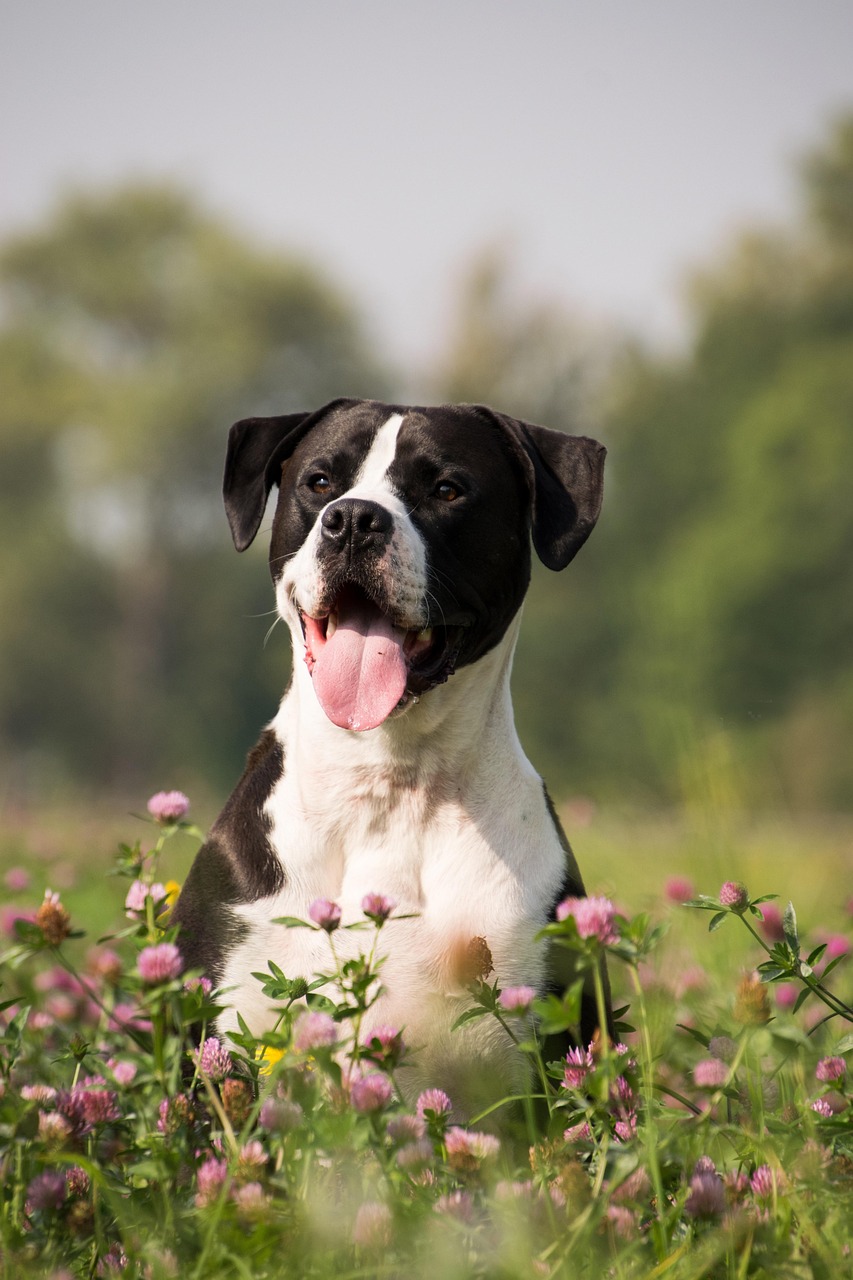
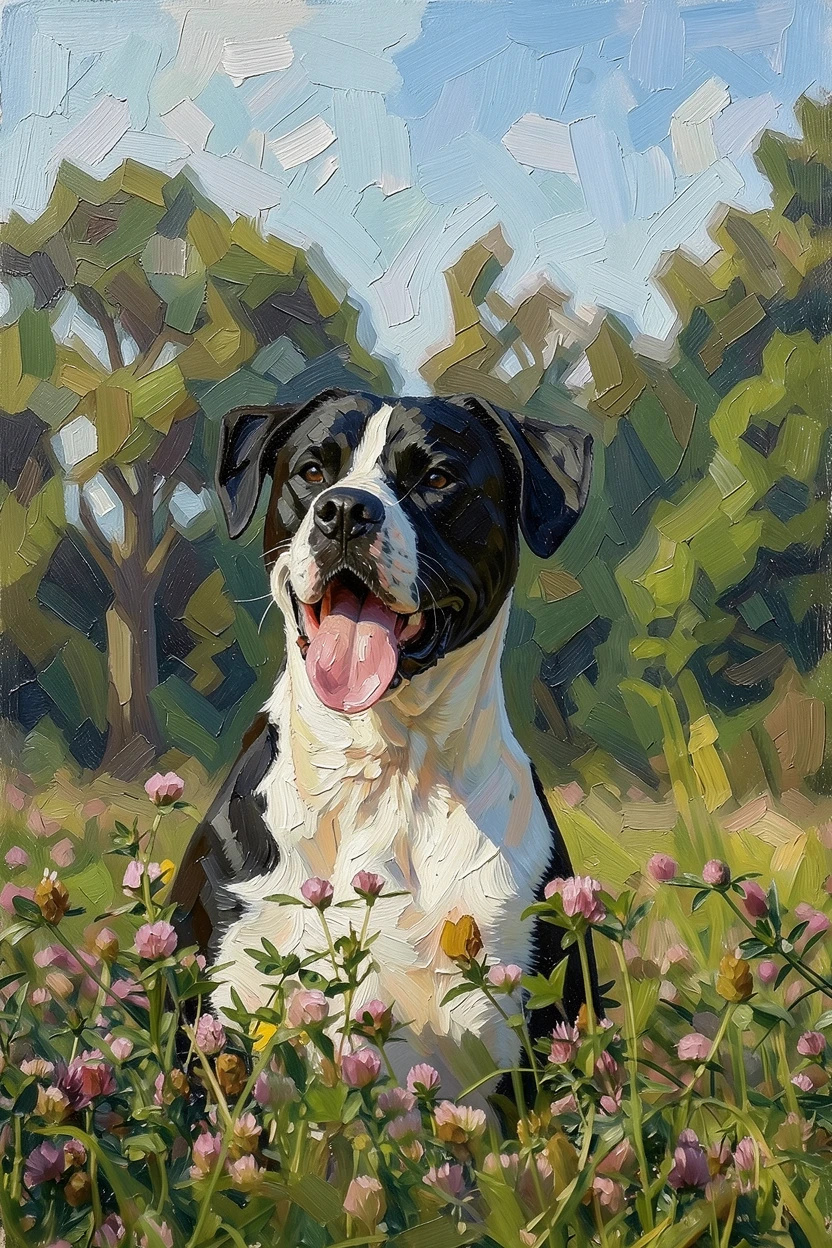 Photo Oil
 Source photo by RebeccasPictures via Pixabay. Painting generated with ReArt.
Notice it reads heavier — richer colour, more texture, closer to a commissioned piece. Nothing changed but the style, which is the whole point: you’re choosing a mood, not applying a filter. Watercolour for gentle and bright; oil for weighty and grand.
And cats are not an afterthought. A warmer style like golden impressionism suits them beautifully — honeyed, glowing light that wraps a tabby’s markings instead of flattening them:
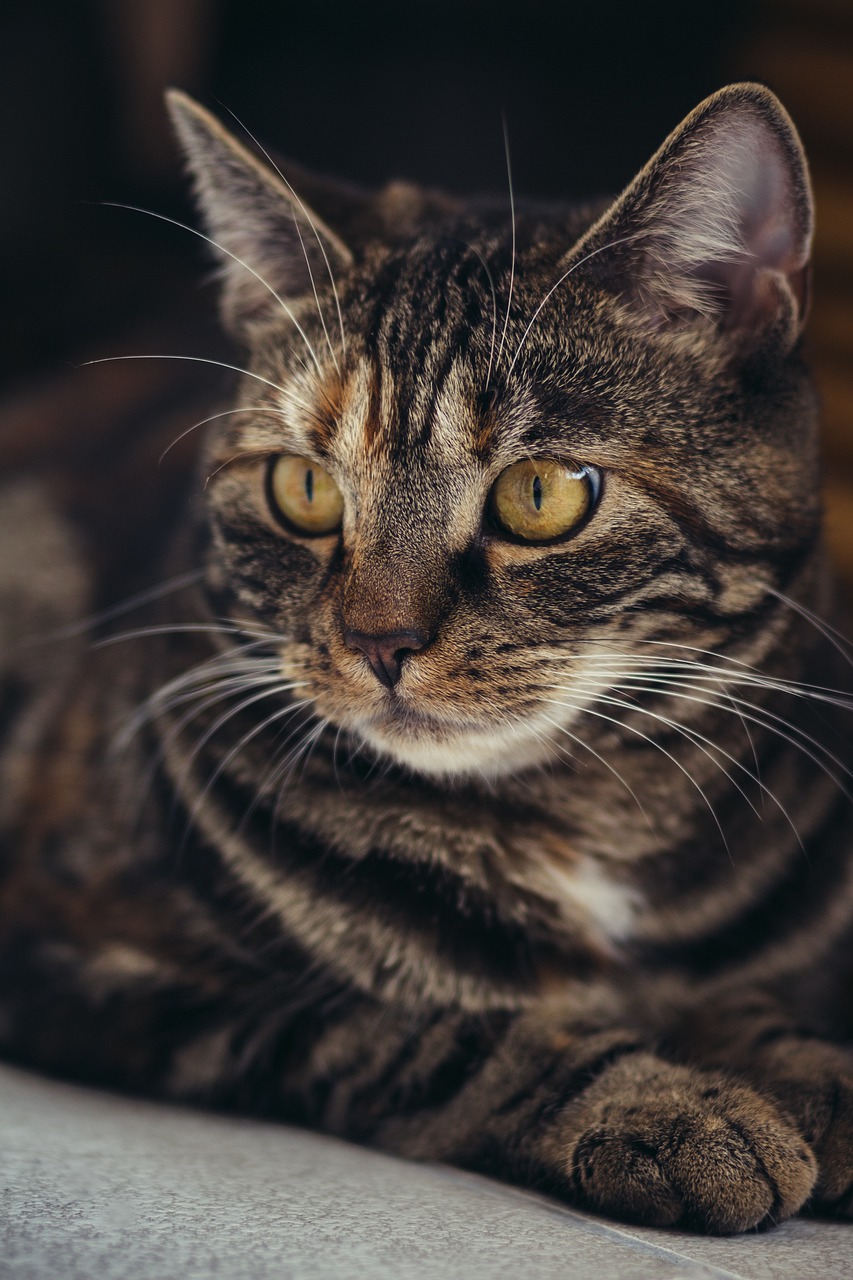
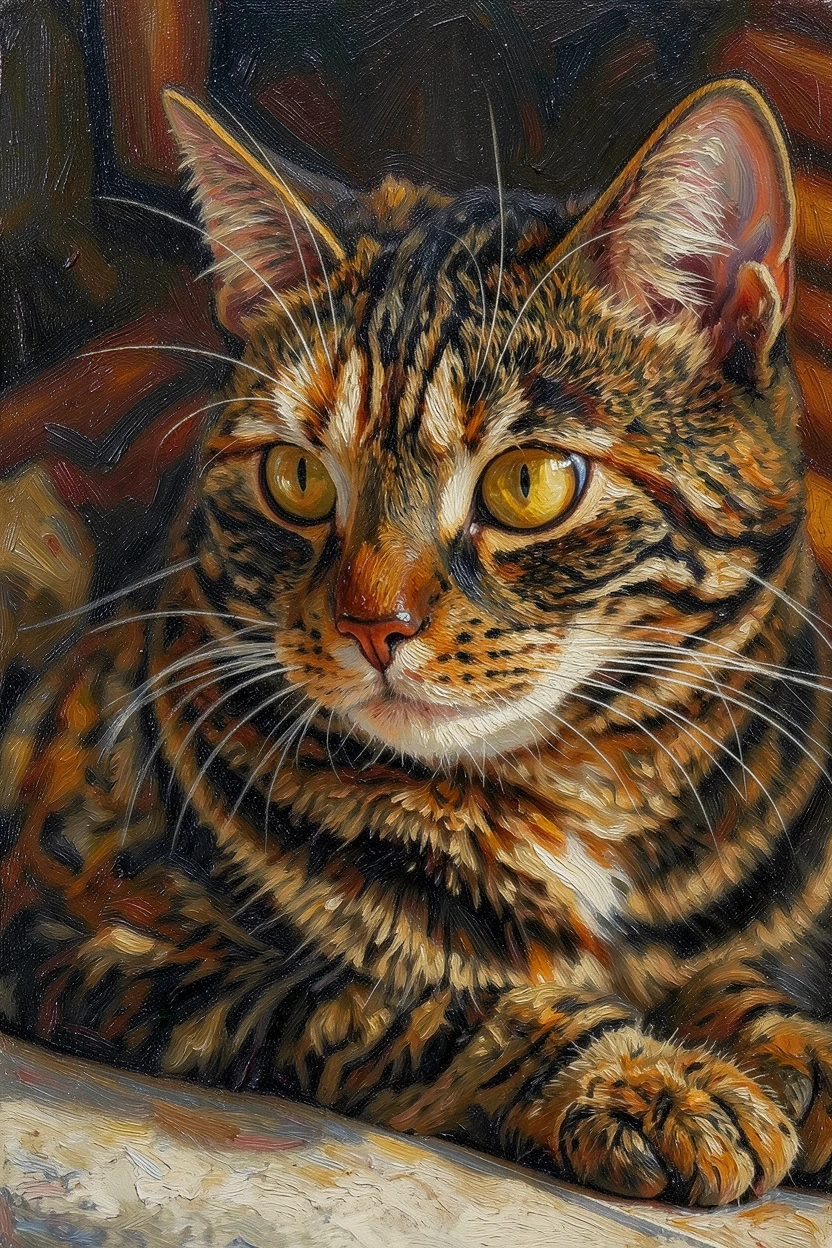 Photo Painting
 Source photo by KAVOWO via Pixabay. Painting generated with ReArt.
Her markings are held precisely, warmed rather than washed out. If you’ve been put off by the over-saturated pet-portrait look, this is the warmth without the kitsch. And the choice is just as open for a cat: the same tabby would take watercolour’s softness or oil’s weight equally well — style is a mood, whatever the animal.
A simple way to choose: match the style to the room and the animal. A bright, calm space and a gentle soul — watercolour. A warm, cosy room — golden impressionism. A darker room, or a pet with real gravitas — oil. There’s no wrong answer, only the one that feels like them.
Canvas or poster?
Both use the same painting. The difference is finish, and honestly both look good — so it comes down to feel and budget.
Canvas has a subtle woven texture and a bit of depth on the wall. It leans into the painted look and needs nothing else to feel finished — a good choice when the portrait is meant to anchor a wall. Poster is a flat, crisp print on quality paper: lighter, more economical, and easy to slot into a frame you already own. We sell the print, not frames, so a poster leaves that part to you — which some people prefer anyway.
If you want it to look like a painting straight out of the box, choose canvas. If you’d rather frame it yourself, or want something lighter, poster is a good call.
It starts with one good photo
The likeness — his exact markings, her particular face — comes down to what you feed in. One sharp, well-lit photo does more than ten blurry ones. Aim for your pet’s eye level, soft daylight, and a shot where their face is in focus and their markings clearly visible. Skip the heavy filters. Give us that, and the portrait looks like your pet — the patch over one eye, the white sock on one paw — not a generic dog or a stock tabby.
You don’t need a hundred photos. You need one good one.
When you’ve found it, upload it and see your pet in each style before you decide anything — no pressure, no guesswork.