You already have the one photo that matters. If you’ve been staring at your camera roll lately, you probably know the exact one. The slightly-out-of-focus one from the back garden. The one where she’s mid-yawn on the couch. That’s the one this whole thing is about, and it’s worth saying up front so you’re not braced for me to tell you it isn’t good enough.
If you found your way here after losing your dog or cat, I’m sorry. Maybe you typed something into a search bar late at night that you didn’t expect to type. The house is quieter than it should be. You probably still catch yourself listening for the collar, or stepping around a spot on the floor that isn’t there anymore. This was family. A pet dying is real grief, and someone will eventually say “you can always get another one,” which tells you they never understood the first one.
Wanting to keep their face somewhere you can see it isn’t strange, and it isn’t something to talk yourself out of. This is a slow guide to one way of doing that: a portrait made from a photo of your dog or cat. There’s no rush attached to it. If today isn’t the day, you can close the tab.
First, the honest part
A portrait won’t fix anything. I’ll say that plainly, because you can smell it when someone promises otherwise. It won’t fill the doorway, and it won’t answer the reach for the leash that isn’t there anymore. What some people find is that having their friend’s face on the wall — just there when they walk past — is a small, steady comfort. That’s the whole claim.
There’s a real difference between that and a folder on your phone. A printed thing you can stand in front of is something you choose to go and look at. A photo buried in your camera roll is something you stumble on by accident, and it knocks the wind out of you.
Your photo is probably enough
Here’s a worry I can lift right now. You don’t need a good photo. You need the photo — the real one you have, even if it’s a little blurry, shot in bad light, the only decent frame you ever got. Likeness lives in the face, not the megapixels. There will never be more photos of them, and that weighs on every choice here, so work with what you have. It’s usually plenty.
What it actually looks like
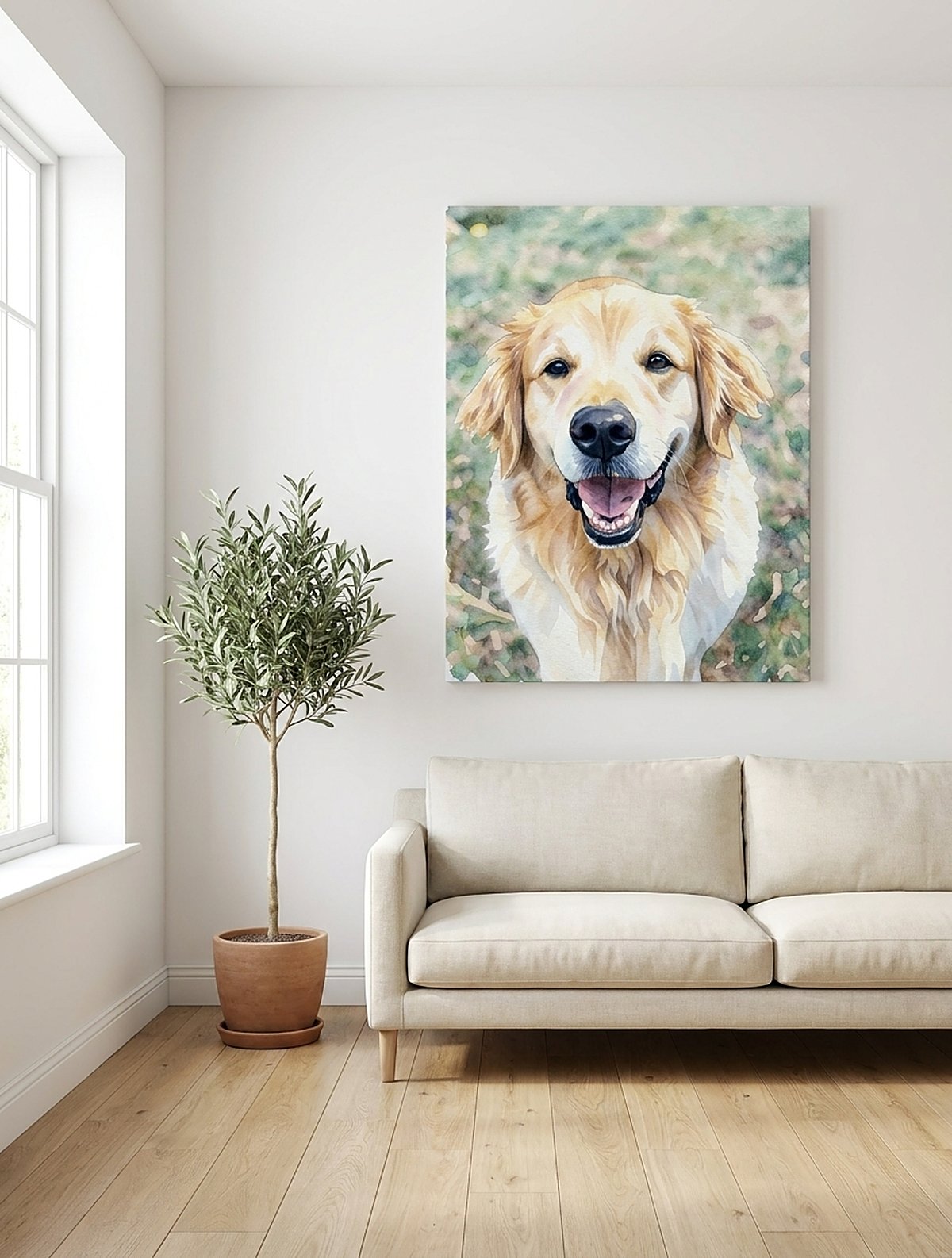
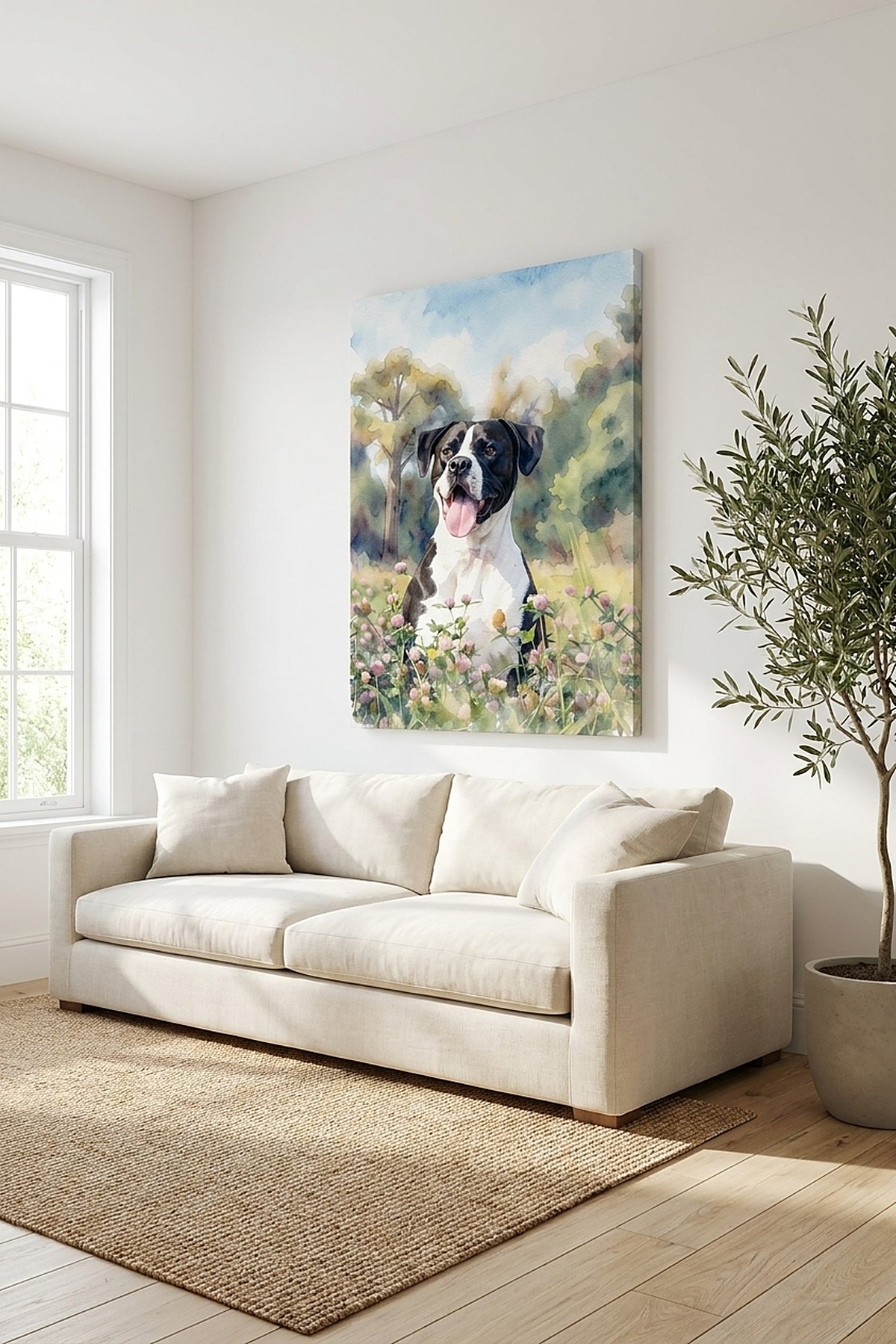
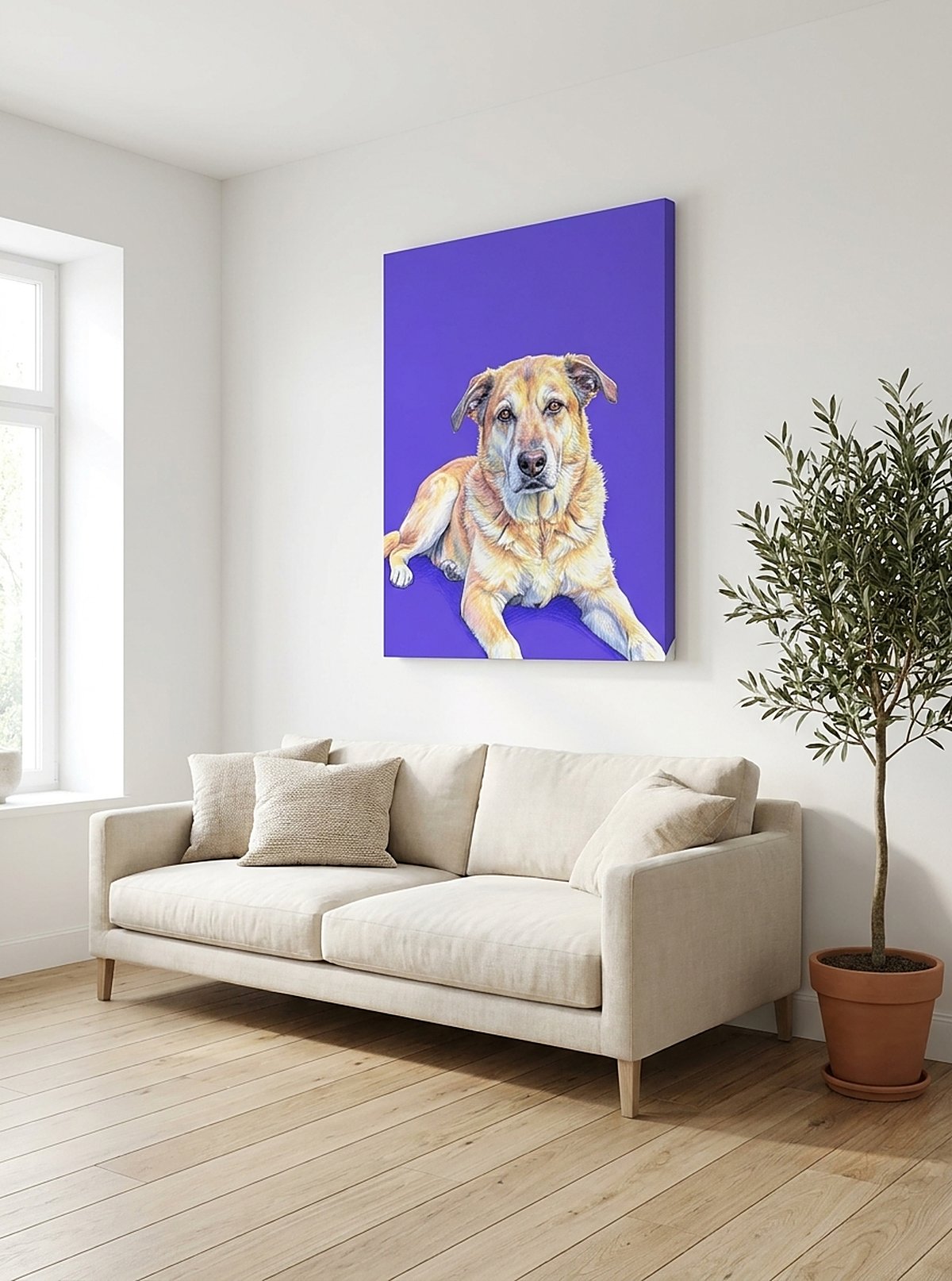
The thing people worry about most is likeness — that you’ll end up with a generic pretty painting of “a dog” instead of your dog. The grey coming in on the muzzle. The ear that never sat right. The particular way she looked at you when she wanted to go out. If a portrait doesn’t hold onto those, it isn’t worth making, and that’s the test you should hold us to.
Below is a photo of an older dog turned into a soft-pastel portrait. Pastel keeps things quiet, which tends to suit a senior animal. Look at whether the face still reads as that dog — the set of the eyes, the tired-sweet expression.
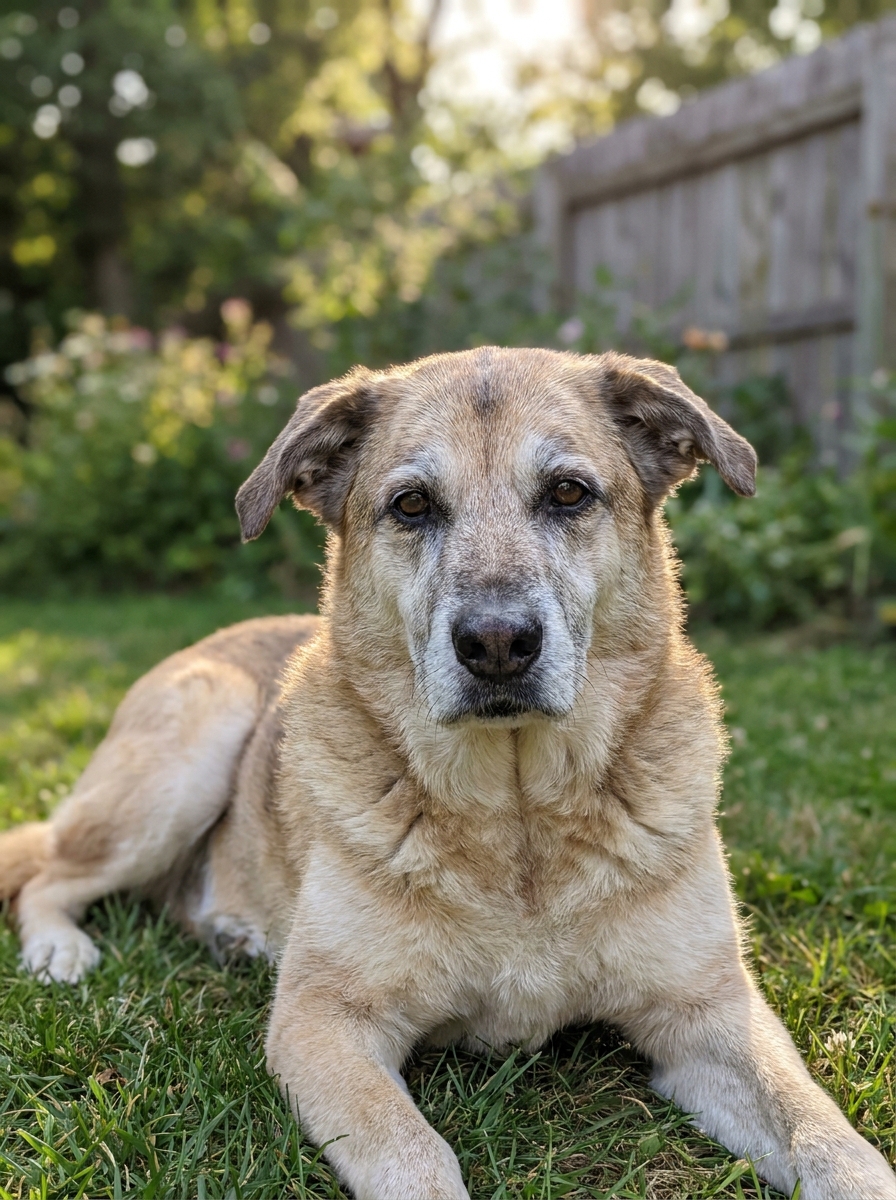
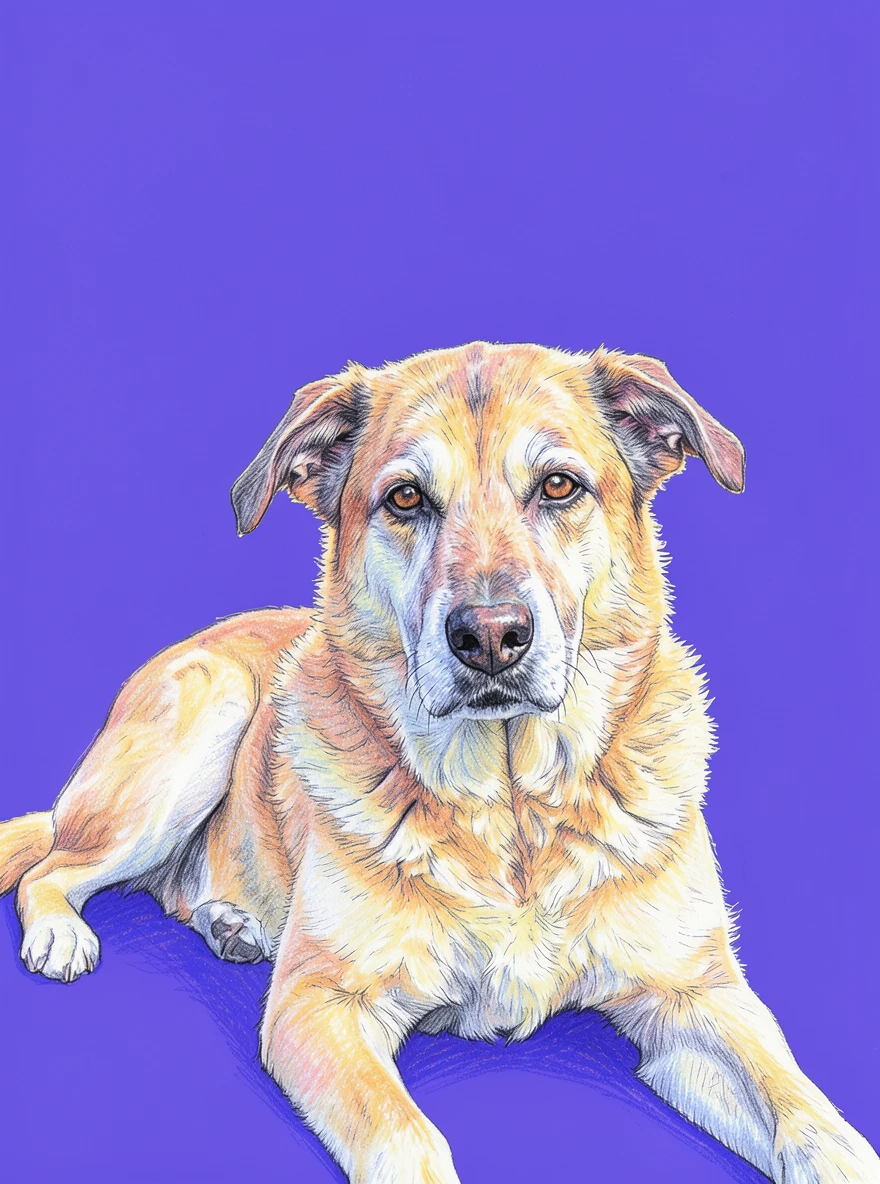
If it looks like the animal, the style did its job. If it doesn’t, it’s the wrong result. You get to see the previews before anything is printed, so you’re never guessing and never paying for something that missed.
The everyday version, not a monument
This doesn’t have to be solemn. Most people just want the ordinary version of their friend back on the wall — the one who flopped on the couch, who lost her mind over the mail, who was simply around. A portrait holds that better than you’d expect. It’s less about grandeur and more about having them in the room again, in the small daily way you miss most.
If you’re the friend or family member here, not the owner — you loved that animal too, or you watched someone you love fall apart over it — this is a gentle memorial gift to give. You can hand it over quietly, no ceremony. Something like: “I made this of Biscuit. No pressure to put it up — it can live in a drawer until you want it, or never.” That gives them the room to not be ready, which is its own kindness.
When and if you’re ready
You upload one photo. A few style previews come back in a couple of minutes — pastel and others — and you look. If none of them feel like your dog or cat, you can stop there and you’ve lost nothing.
If one does, you pick a format. There are two. Canvas is the warm default: textured, no glass to glare, ready to hang as it arrives. Poster costs less, ships flat, and slides into any frame you already own if you’d rather handle that part yourself. You see the exact price for your size before you pay. A real person is involved in getting it made, and your photo stays private.
If you’d like to see
There’s no right timing for this. Some people do it within weeks, some sit with the idea for a year, and some decide it isn’t for them.
If you want to take one small, reversible step, you can upload a photo and just see what comes back. You can stop there.