You saw one while you were meant to be doing something else. Thumb on autopilot, scrolling, and then a little stuffed-animal version of somebody’s dog stopped you cold — big glossy eyes, squishy fabric, the exact goofy tilt of the head — and your first thought was: I need this of Bella.
Then the doubt landed. Will it actually look like her, or some generic cartoon puppy with the wrong face? Will it come out cheap and childish? Is the site even real? All fair. This guide explains the earlier Plushie examples, which photos suit that look, and how to compare the previews currently available.
What a plushie pet portrait actually is
A classic painted portrait treats your dog with a bit of dignity — oil, brushwork, this one mattered. The plushie style is doing something else entirely. It’s the way you secretly see your dog: squishy, huggable, faintly ridiculous, your baby.
The style rounds the shapes, softens the fur into something soft enough to want to touch, and warms the eyes up. Think handmade toy, not cartoon — a plush version of your dog, not a mascot. Done right, the markings stay put, the ears sit the way they really sit, and the face is still clearly hers.
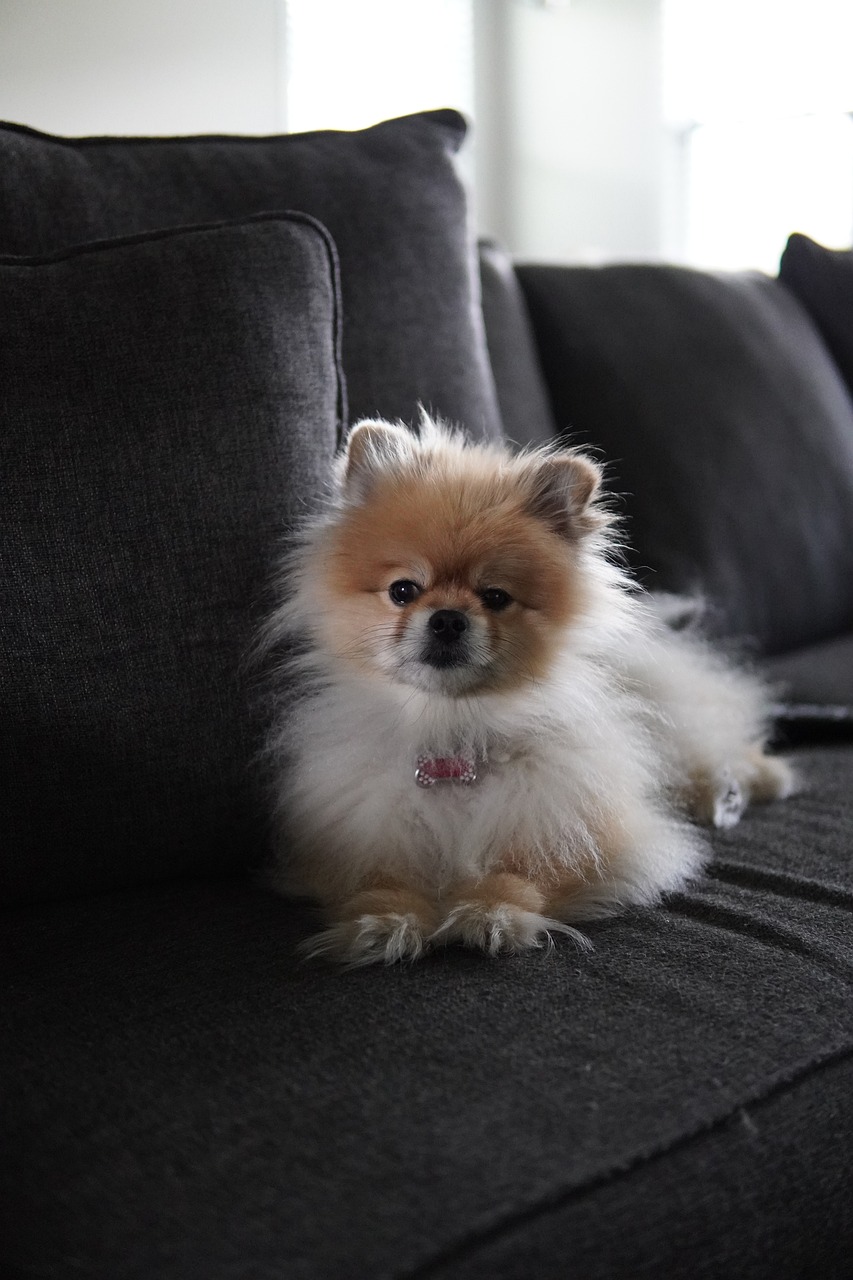
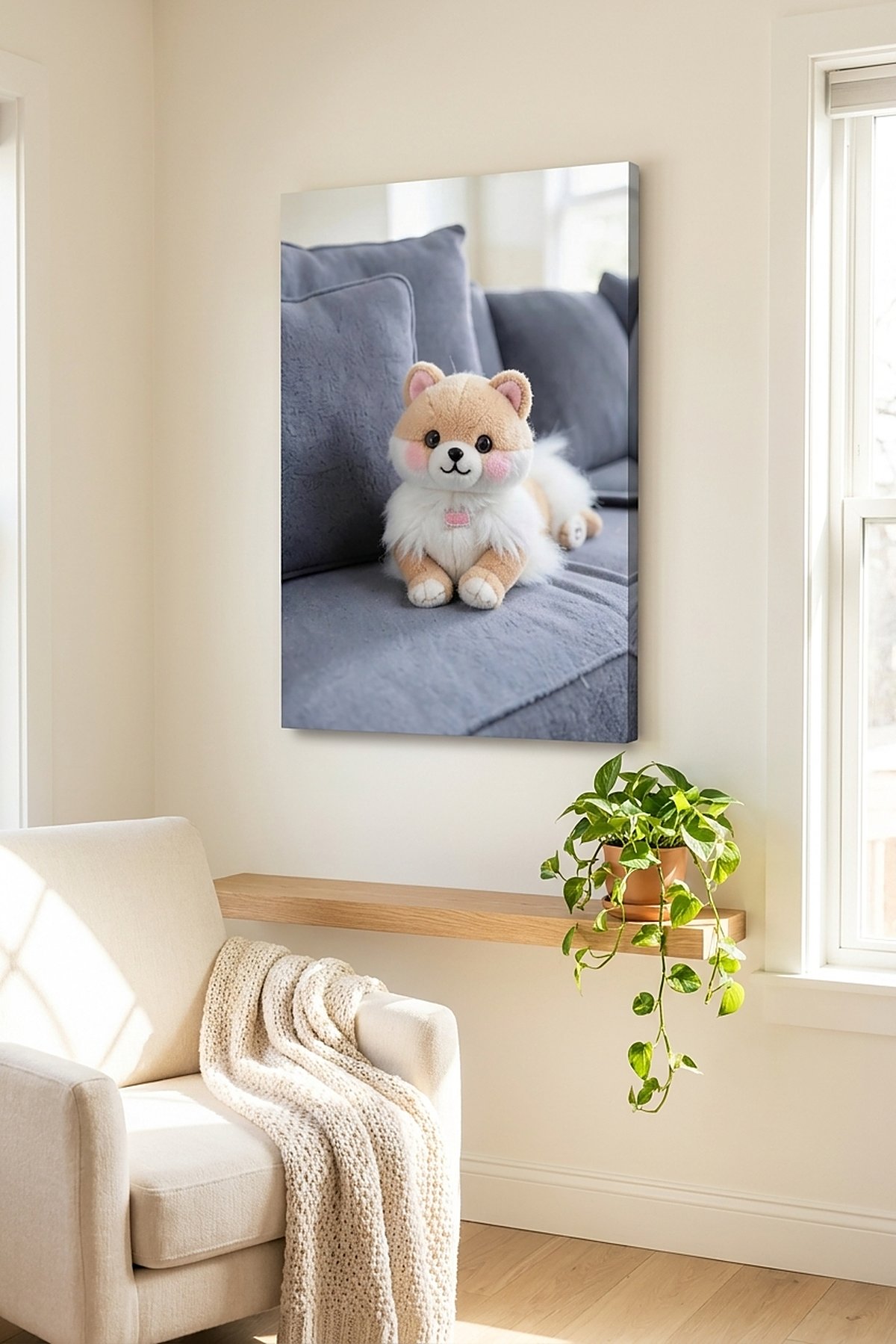
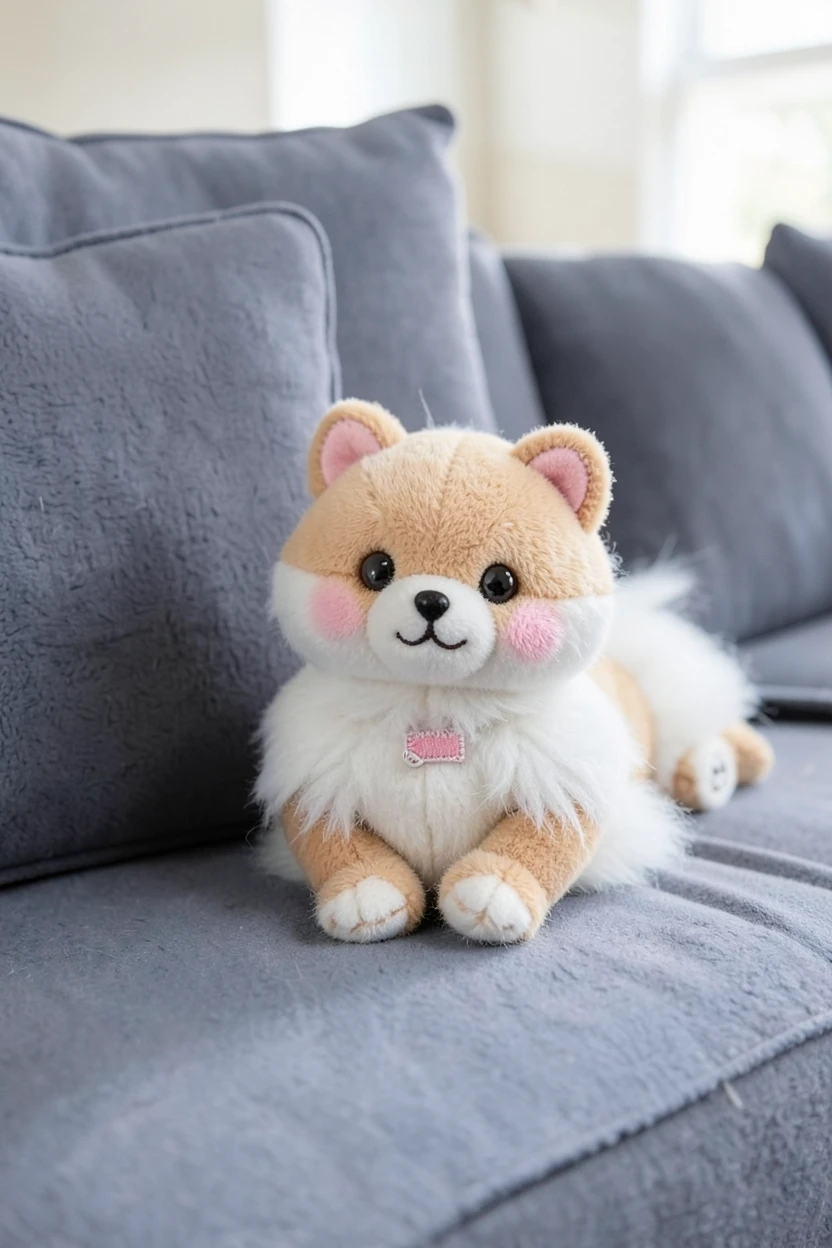 Photo Plushie
Source photo by nicarivera_03 via Pixabay. Plushie version generated with ReArt.
Look at the result above. The point isn’t that it’s cute — it’s that it’s cute and still clearly them. Same coat, same patches, same slightly-too-serious expression, just rendered as the softest toy on the shelf. That’s the whole bar. If a plushie portrait doesn’t still read as your actual dog, it’s failed — and you shouldn’t choose it.
“But will it look like MY dog, or a generic teddy?”
This is the real worry, so let’s not dodge it. The internet is full of AI pet stuff that hands you back a beige blob with buttons that could be anyone’s dog. If you’re paying for your dog, that blob is worthless.
The photo does much of the work, and the actual preview is what you should judge. When trying the styles currently offered, upload one clear picture and compare the coat colors, markings and expression with the source. If a result captured that lopsided grin, keep it. If it feels off, don’t choose it. The earlier Plushie example above is a guide to that comparison, not a promise that the style is available for a new upload.
Which dogs make the best plushie portraits
The plushie style rewards two things above all: an expressive face and a coat with texture to play with.
- Fluffy and fuzzy coats sing. Pomeranians, samoyeds, doodles, chows — anything with volume already looks half-plushie, so the style just leans in.
- Squishy-faced and expressive dogs win. Pugs, frenchies, bulldogs turn impossibly huggable; big goofy breeds get a tender softness a serious portrait would never give them.
- Short-haired dogs still work. A beagle or a whippet comes out sleek and button-eyed rather than fuzzy — a satiny plush instead of a fluffy one. Charming, just a different flavor.
Why it reads as adorable, not tacky
Here’s the fear underneath the fear: that a plushie portrait will look like a kid’s cartoon — too cute to hang up or hand to a grown adult. What keeps it on the right side of the line is restraint. It exaggerates the softness but keeps the proportions honest, so it feels like a crafted object rather than a sticker.
And it works precisely because it isn’t pretending to be a grand oil painting — there’s no mismatch to cringe at. It’s openly playful, and playful-done-well is charming. Printed properly, at a real size, it looks like something you chose, not something that came free with a subscription box.
When a classic style is the better call
The plushie look isn’t for every moment. If the piece is meant to feel dignified — a memorial, a formal spot in the house, a gift for someone who’d find “cuddly” a bit much — a classic painted portrait fits better. The earlier Plushie examples illustrate a playful mood; look for that feeling in the available previews when you want joy rather than gravity.
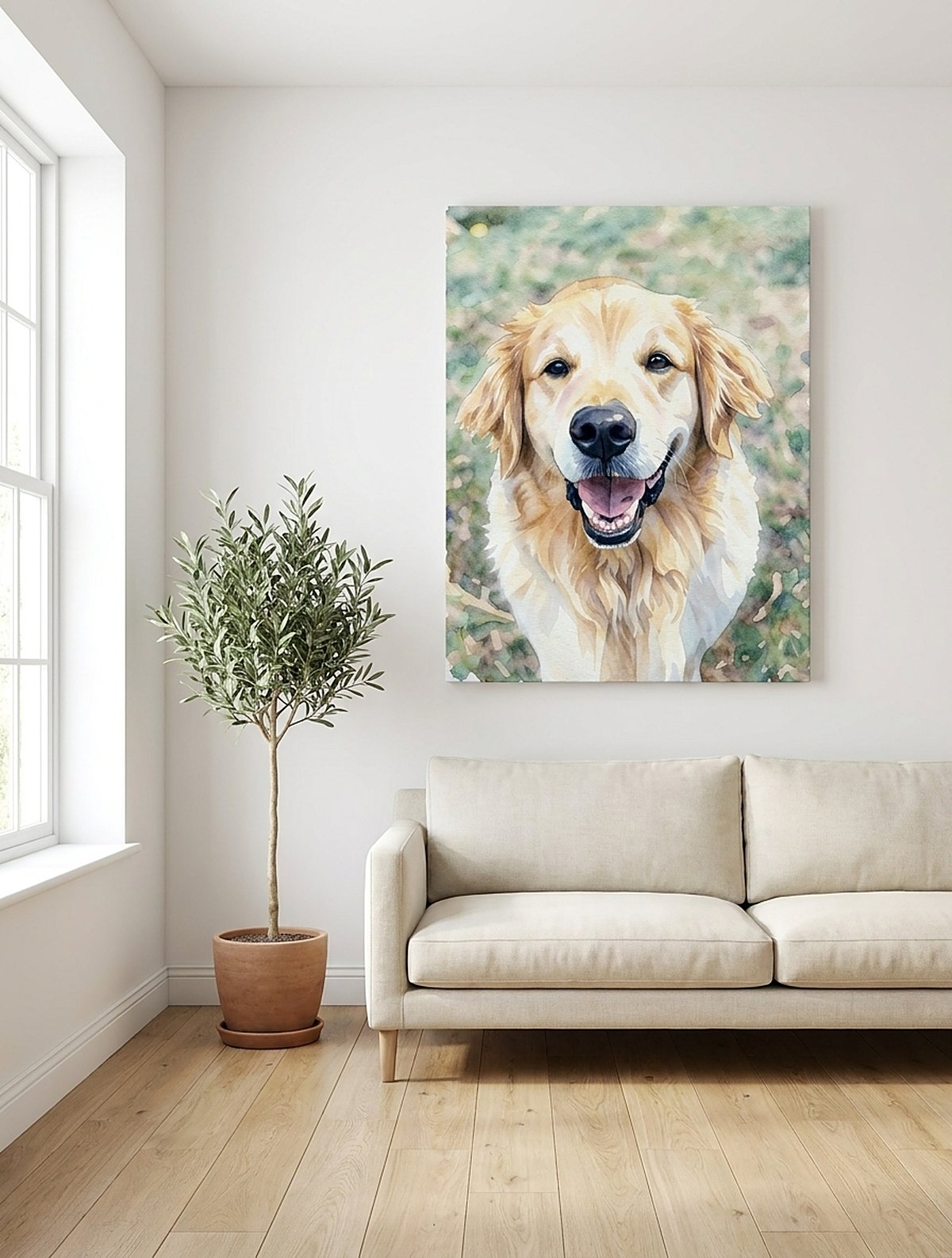
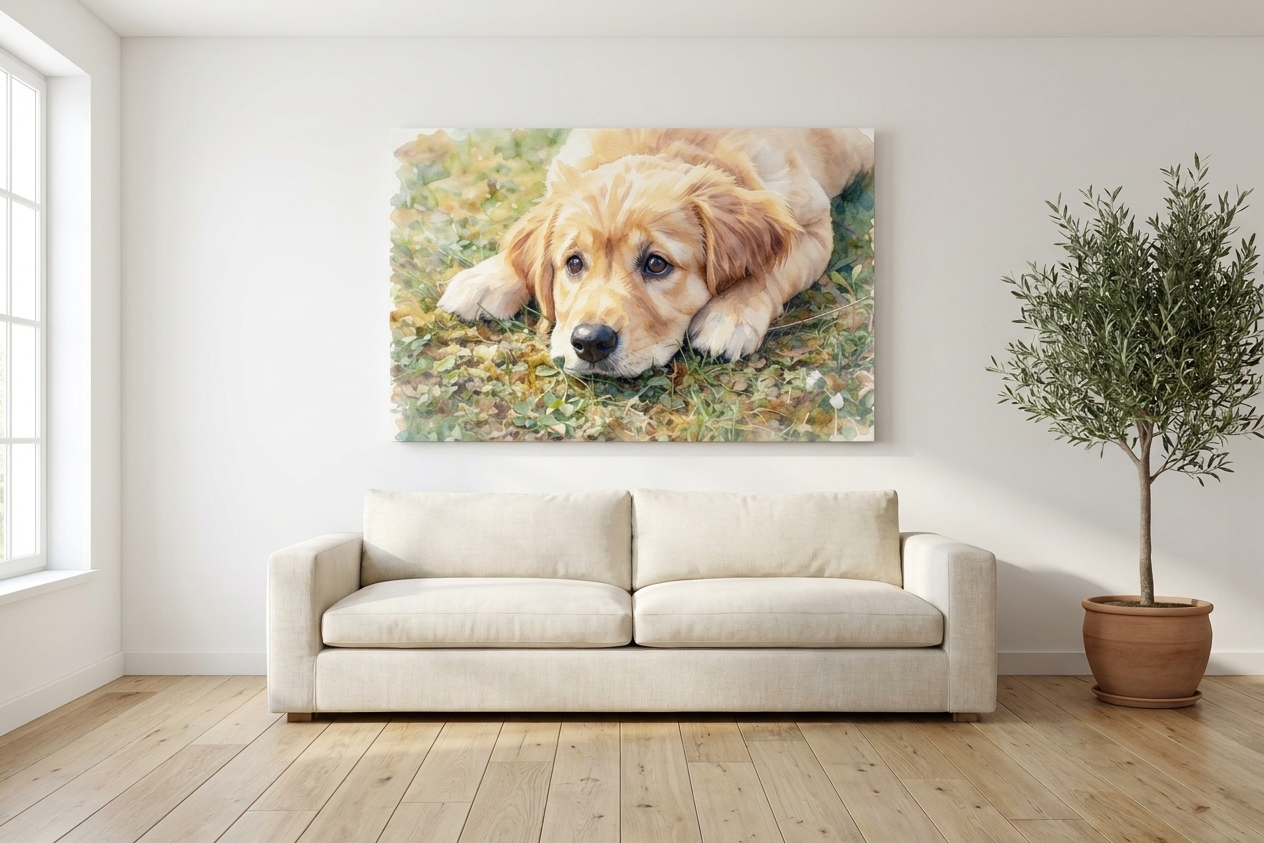
You can compare the styles currently offered from the same photo. The earlier Plushie and watercolor examples here illustrate how much the mood can change; use your own previews to choose among the available styles.
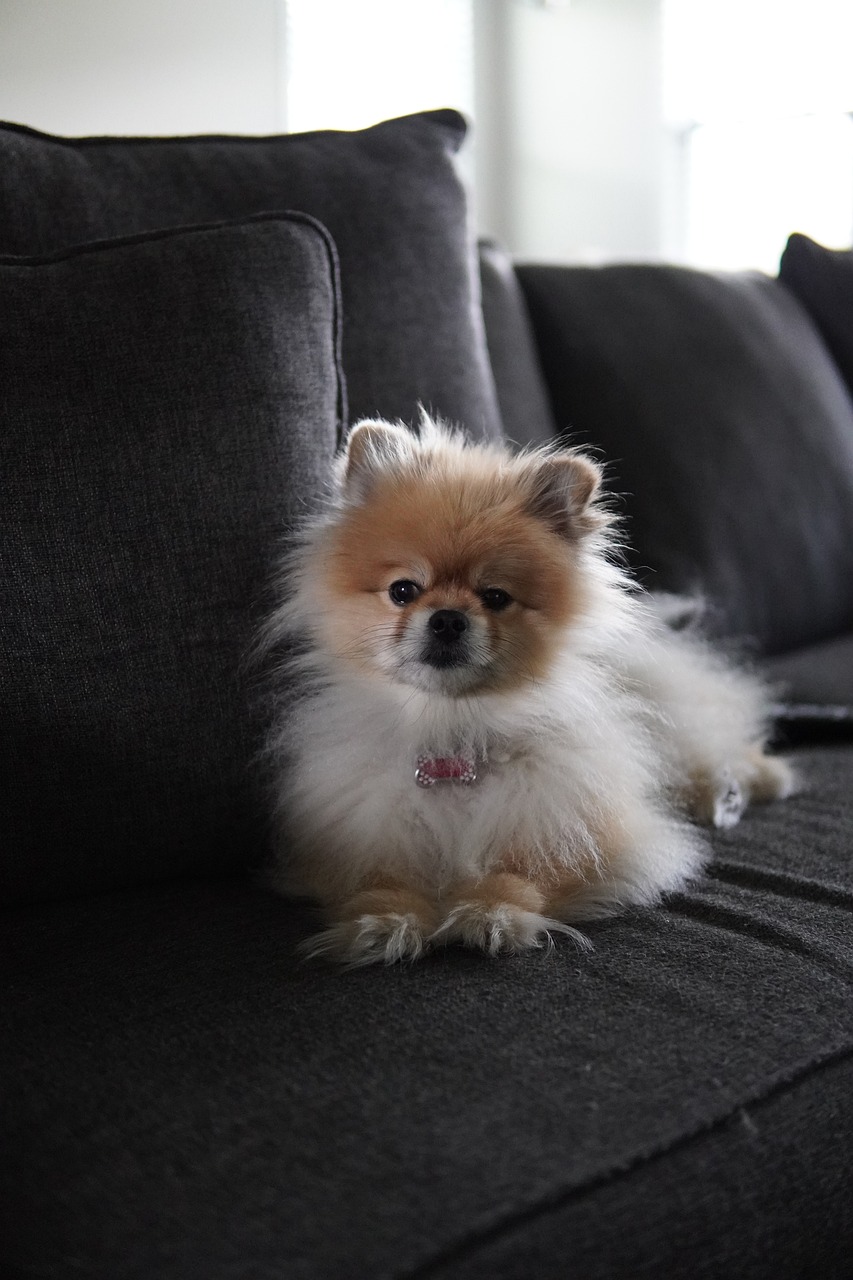
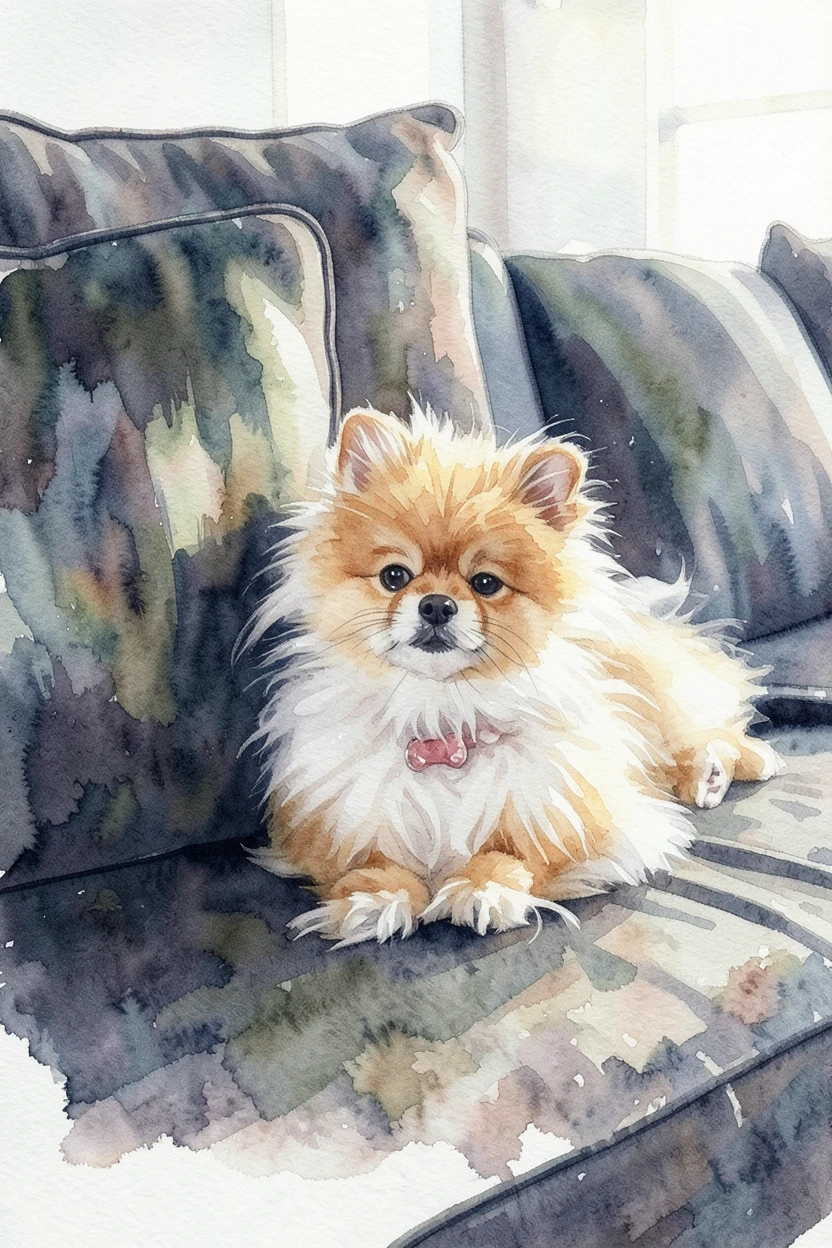 Photo Watercolor
Source photo by nicarivera_03 via Pixabay. Watercolor version generated with ReArt.
Same source, completely different mood. If the toy version makes you grin but you want something that reads as art on the wall, that’s the one.
See yours before you decide anything
What you get first is a digital portrait. Love it, and you can order it as a canvas — textured, ready to hang — or a poster that ships flat and slips into a frame you already own. The exact price for your size and format is shown before you check out, so there’s no guessing.
ReArt’s portraits are AI-generated from your photo and then printed — no one is hand-stitching a real plush toy. Upload one clear photo, compare the styles currently offered, and pick the result you want to keep. It prints to order as a canvas or poster and ships to your door. Review the portrait and the final quote before paying; a new upload does not include a guaranteed Plushie option.
That goofball on the rug has earned a spot on the wall. Preview your dog’s photo in ReArt’s current art styles.