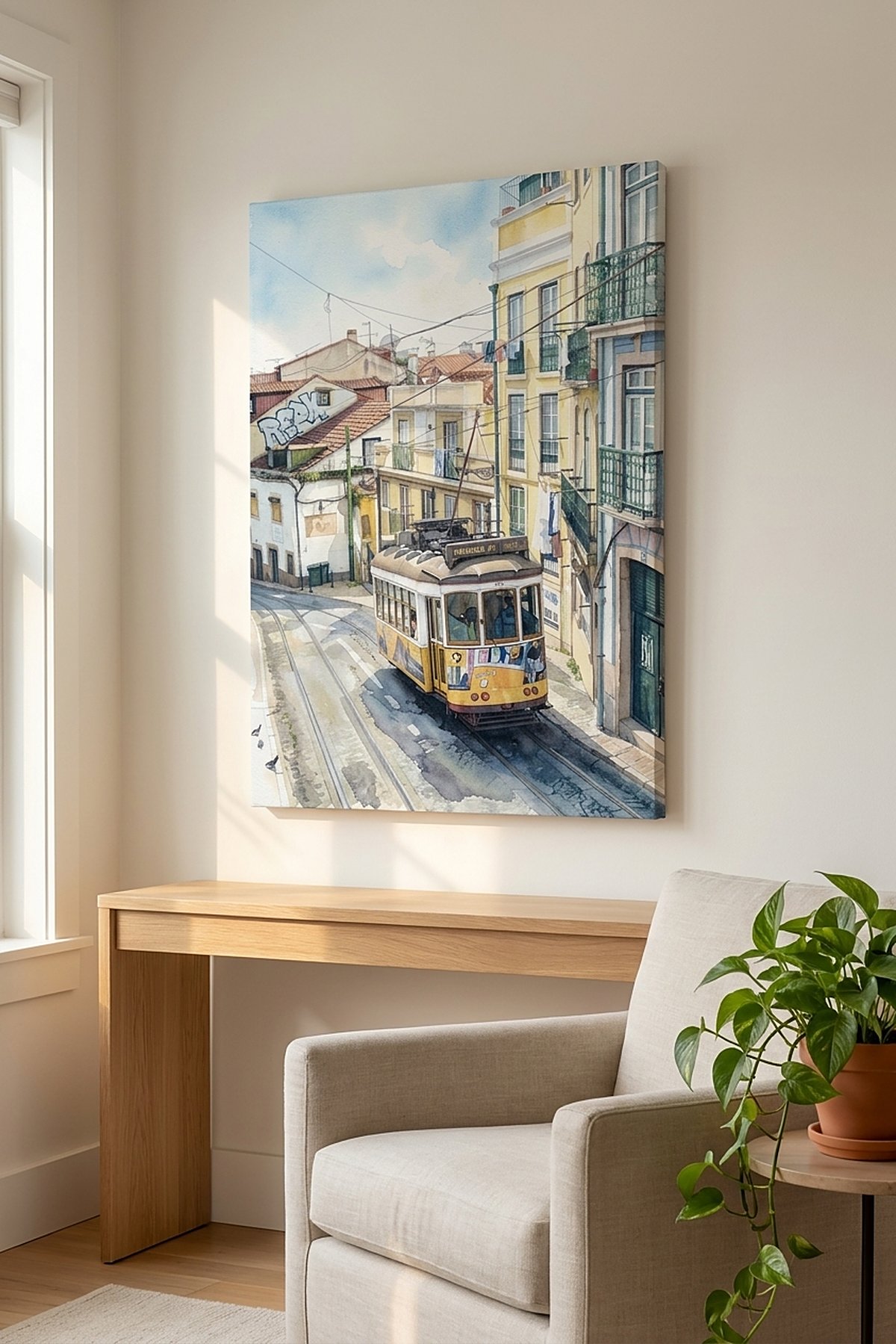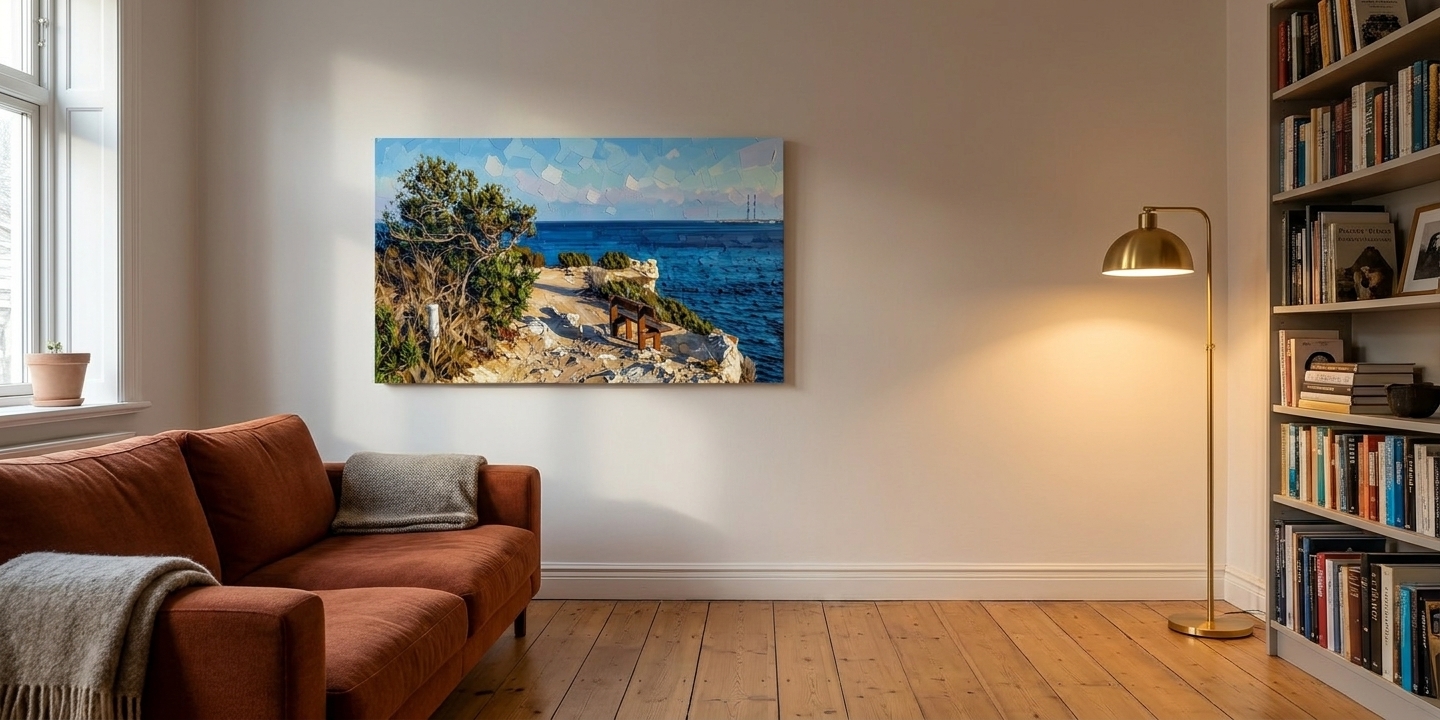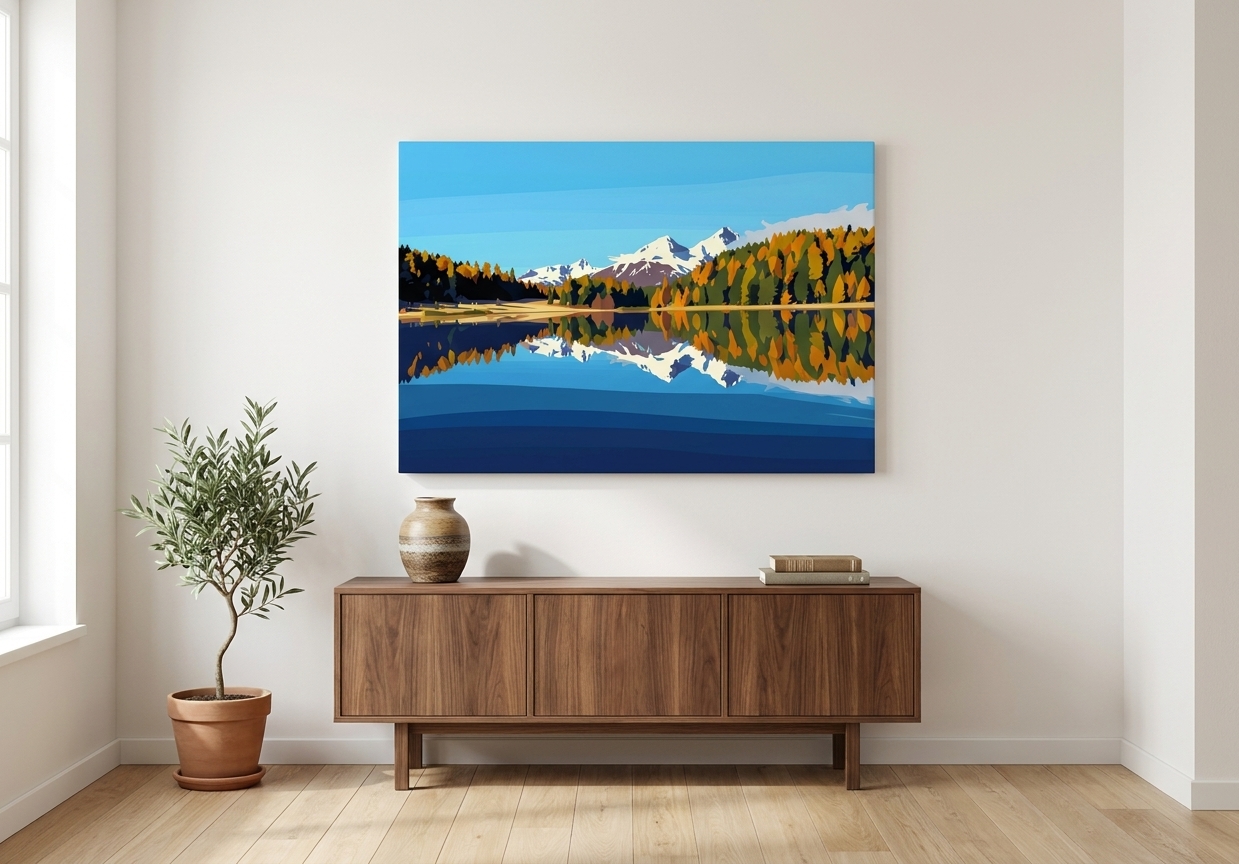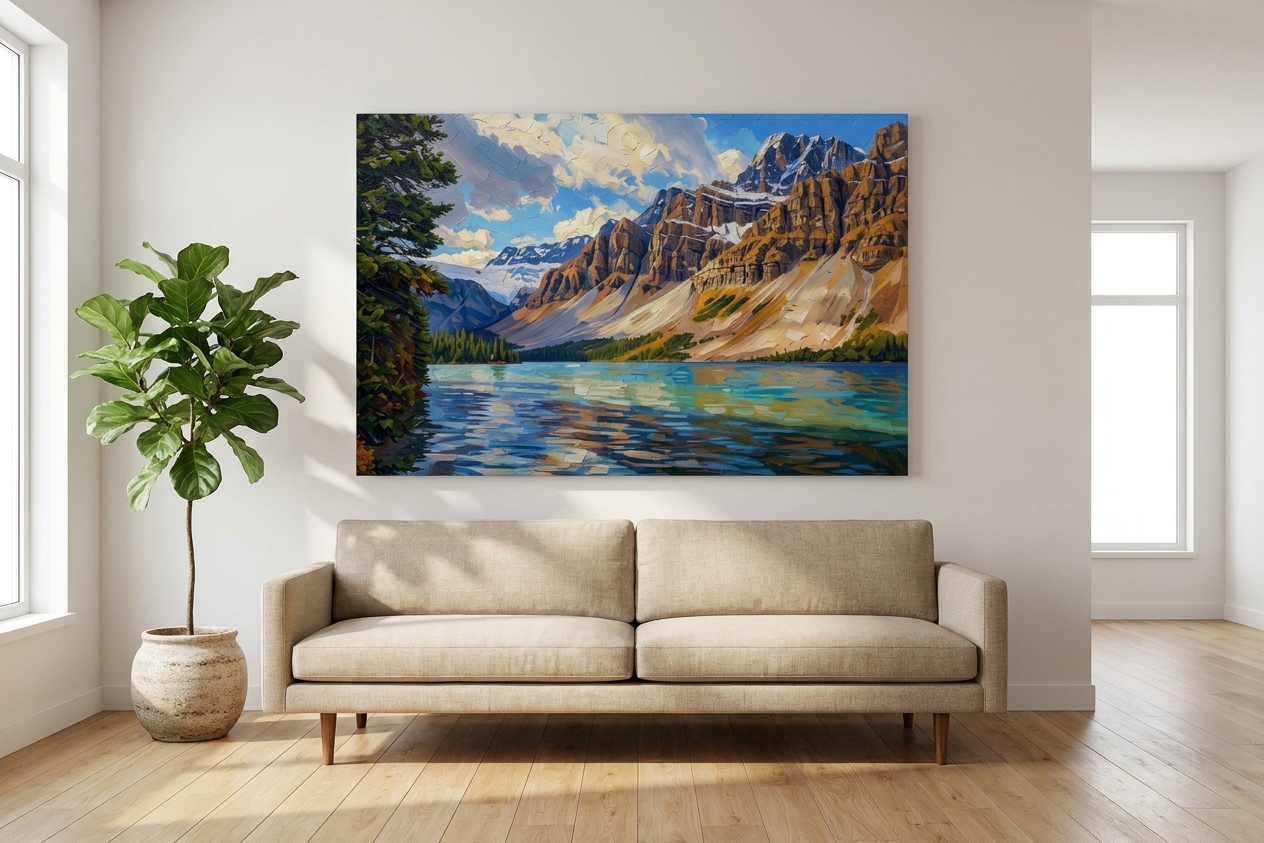
You have one wall that’s been bugging you for months. Maybe you just repainted, maybe the couch is new, and above it there’s a big blank rectangle that still says “nobody lives here yet.” You don’t want art, exactly. You want your stuff up there — the trip, the two of you from that one good day.
The reason you’ve had this tab open before is that custom canvas wall art feels like a project you might get wrong — wrong photo, wrong size, money in the closet. So let’s take it apart, one small decision at a time.
First, the thing that removes most of the fear
You see it before you pay for it. Upload a photo and in about a minute you get back a few painted versions in different styles — yours, not a marketing sample of someone else’s living room. Love one? Order a print. None feel right? Try a different photo or style, and you haven’t spent a cent. Nothing prints until you’re happy, so that “what if it ends up in a closet” worry — set it down.
Is my photo even good enough?
Almost certainly, yes. A photo from a normal smartphone in the last several years is plenty high-resolution for a large canvas — you don’t need a “real” camera or a professional shot. The candid from your kitchen is exactly what this is for.
Here’s the ten-second check. Your photo is fine if it’s the original, straight off your phone, in focus, and reasonably well-lit. It’s a risk if it’s a screenshot, a picture saved off Facebook or Instagram (those get compressed small), a heavily zoomed-in crop, or a dark, motion-blurred shot where a face is a smear.
If the only copy you have is one saved off Instagram, check your camera roll or the original text or email first — the full-size version is almost always still there.
One honest limit: this reimagines your photo as a painting, not a photo cleanup. A murky shot from 2011 won’t magically become gallery art. If you can clearly see the faces on your screen, you’re in good shape; if you can’t quite make it out, the artwork can’t invent it.
Seeing a photo become canvas art
Here’s the kind of jump you’re looking at — an everyday phone photo from a trip, a lake below the mountains, turned into custom canvas wall art.
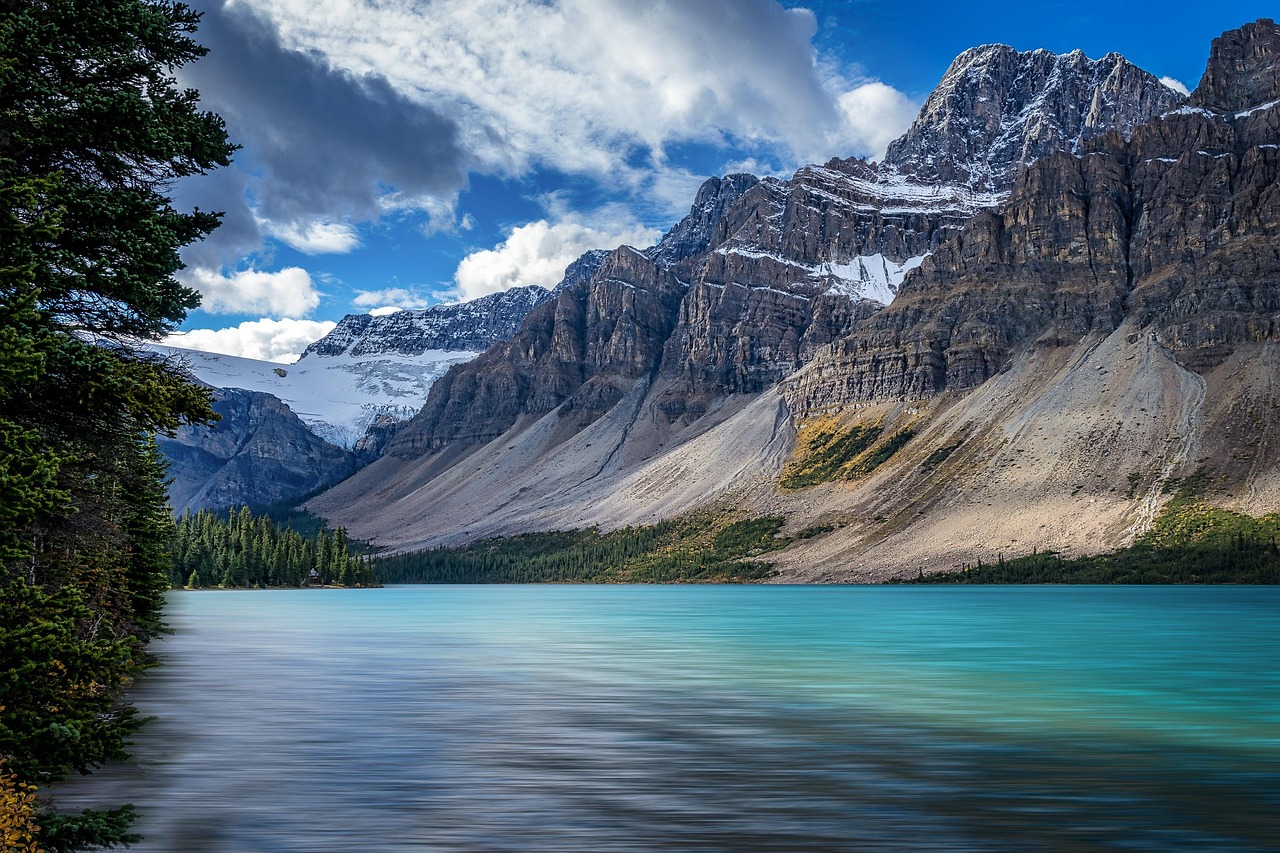
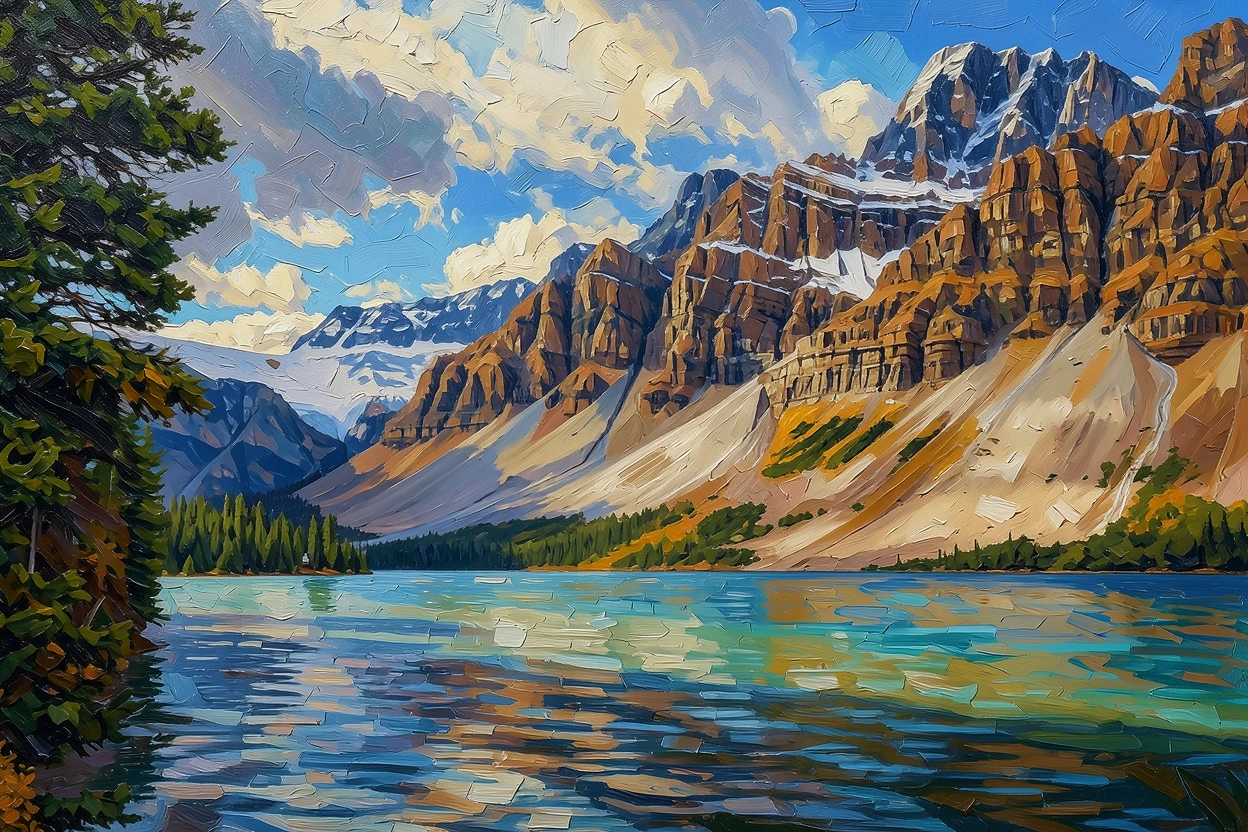
Source photo by Sonyuser via Pixabay. After: generated with ReArt.
That example uses a warm oil style, but it still looks like your trip — the place you actually stood. That’s the bar: the style should lift the photo, not erase what made you love it. Other looks, like watercolour or something bolder, come from the same photo, and one of them will click when you see it.
Choosing a style that suits the room
No design degree needed — just think about your walls, not the “right” answer.
If your room is already busy — patterned cushions, a colourful rug, lots going on — a calmer, more painterly style (a soft oil or watercolour) won’t fight everything else. If your walls are neutral — grey, beige, white — you have room to go bold, and a vibrant abstract can wake the whole space up.
That’s the whole rule: busy room, calmer art; plain room, be brave.
Getting the size right for your wall
This is where most people go wrong: measure the wall, not the room. Measure the actual empty space you want to fill — above the sofa, the stretch between two windows. That number is what matters, because “16x20” means nothing on a bare wall.
The most common mistake is going too small: a modest print on a big wall looks like a postage stamp. When in doubt, size up.
For a piece hanging on its own, let it fill a comfortable share of the wall. Still unsure? Cut some wrapping paper (or a few sheets of printer paper taped together) to a size you’re considering and tape it up for a day. It sounds silly; it works, and it costs nothing.
One statement piece, or a small cluster?
One big statement piece is the simplest and often the most striking choice — one photo you love, sized to fill the wall, done. If you’re feeling any decision paralysis, this is your answer.
A small cluster of two or three pieces is the gentle version of a gallery wall, nice for related photos (three from the same trip, say). It’s fiddlier to hang evenly, so only take it on if arranging things sounds fun. For most walls, one confident piece wins.
Canvas or poster?
Both come from the same painted image; they just feel different on the wall. Canvas is stretched over a wooden gallery-wrap frame — soft, textured, no glass and no glare, ready to hang out of the box. Poster is the same artwork on smooth paper, more affordable, shipped rolled in a tube to drop into a frame you already own. For a full breakdown, see canvas or poster.
Making and previewing is free; you pay only when you order a print. Canvas costs a step more than poster, larger sizes more again, and the exact number shows at checkout, before you commit. Then it ships to your door on a normal timeline.
A photo in mind, a rough size for your wall, a style you’re drawn to — that’s the whole decision, and you get to look first before anything is printed.
Try it with your photo
Pick the photo you keep coming back to. Measure the wall. You already have everything you need — and you’ll see the painting your photo becomes before you spend anything.